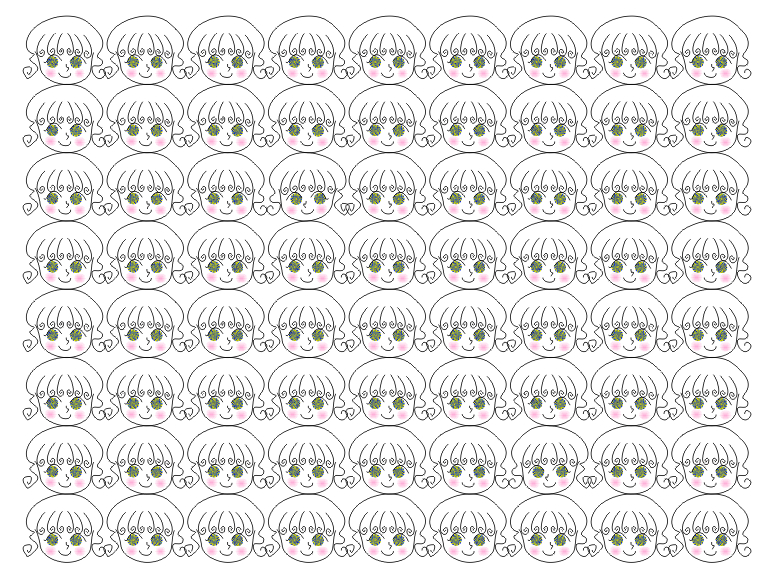
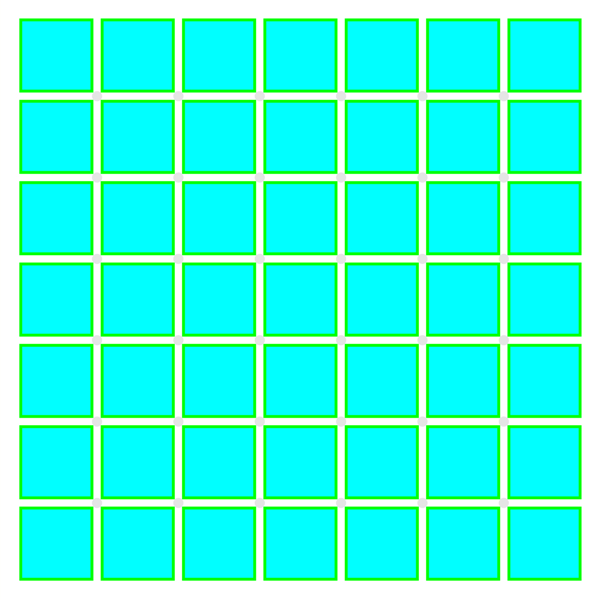
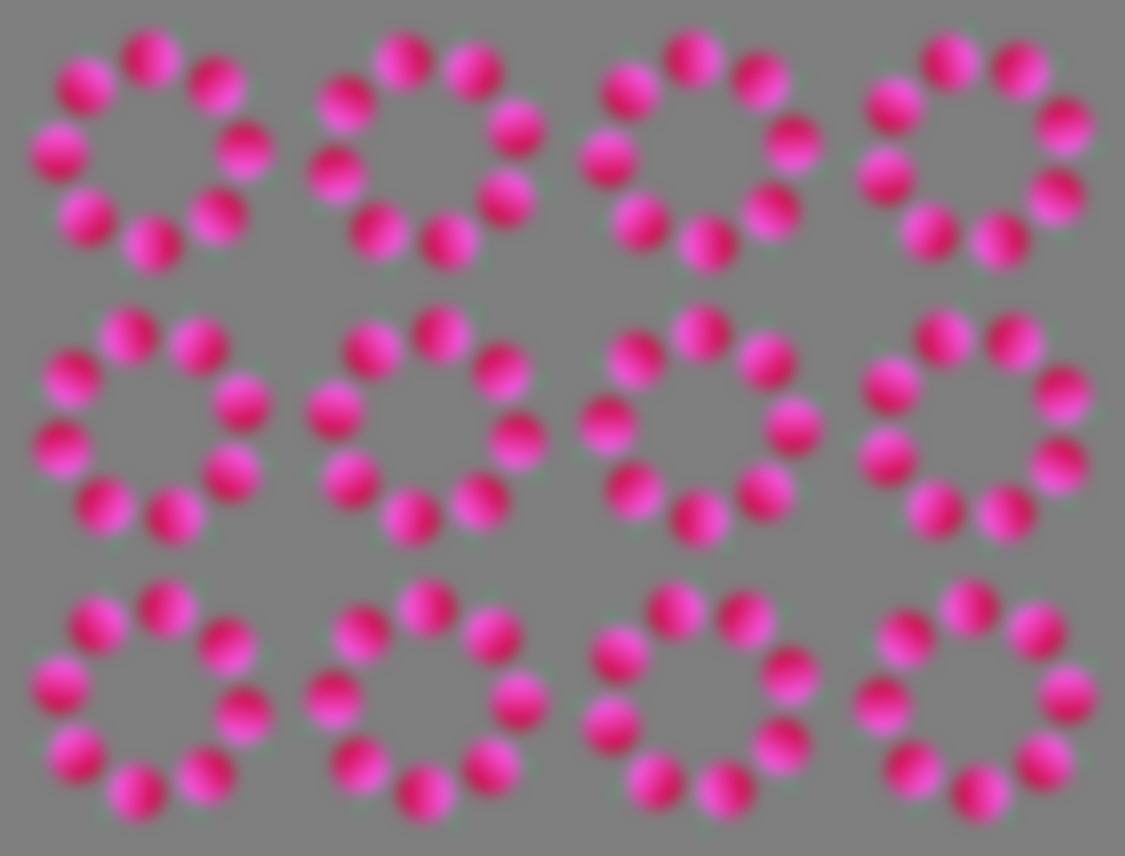
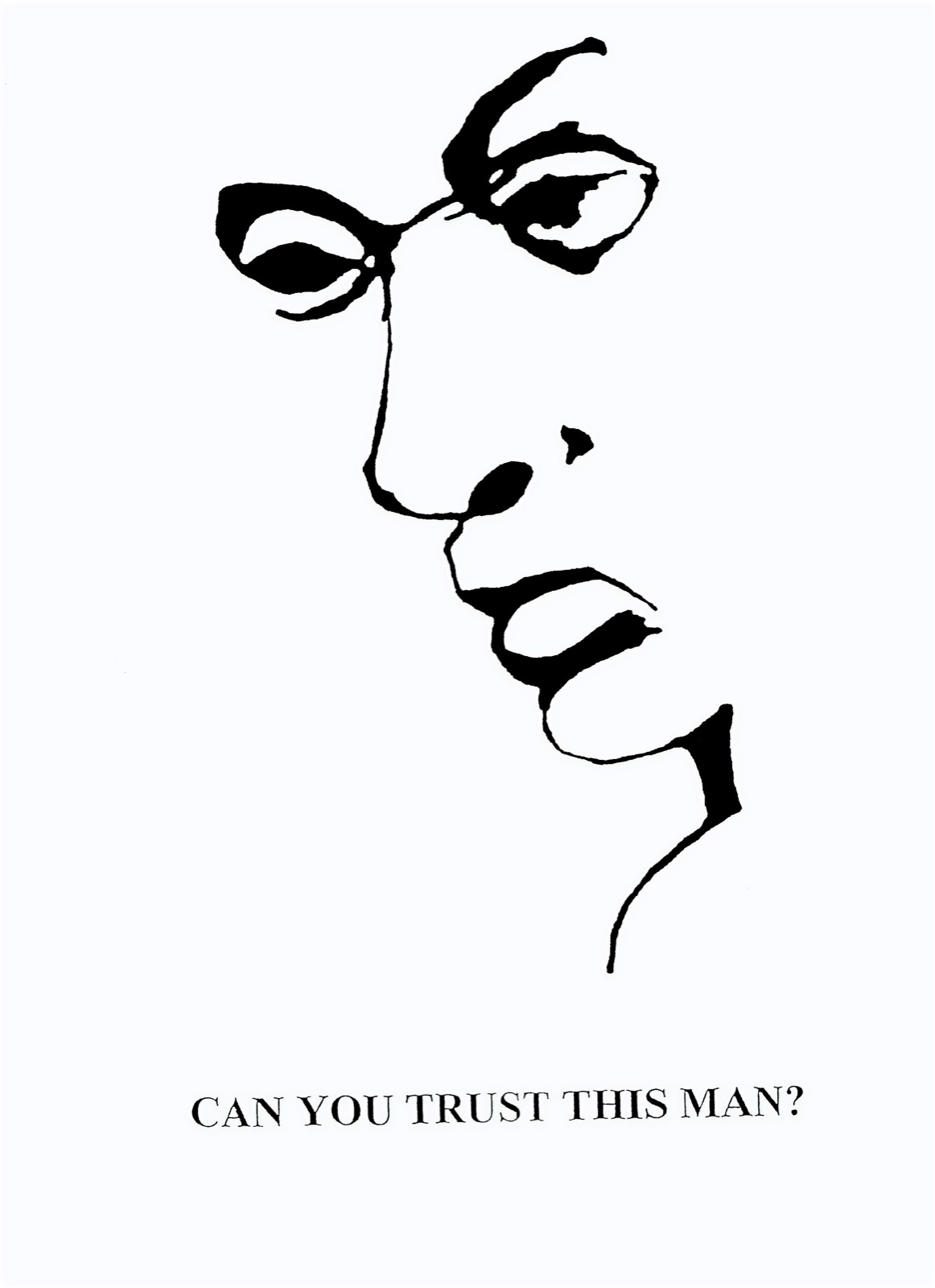
Illusions and tests referred to in the About essay. Scroll sideways.
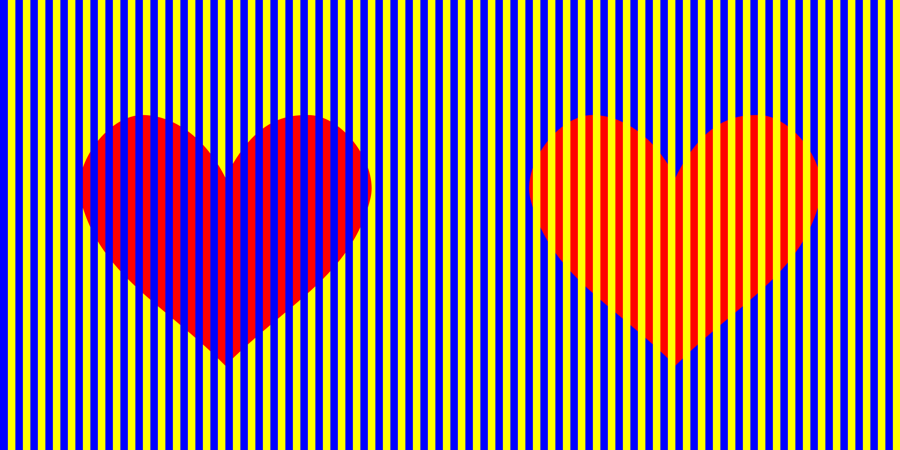
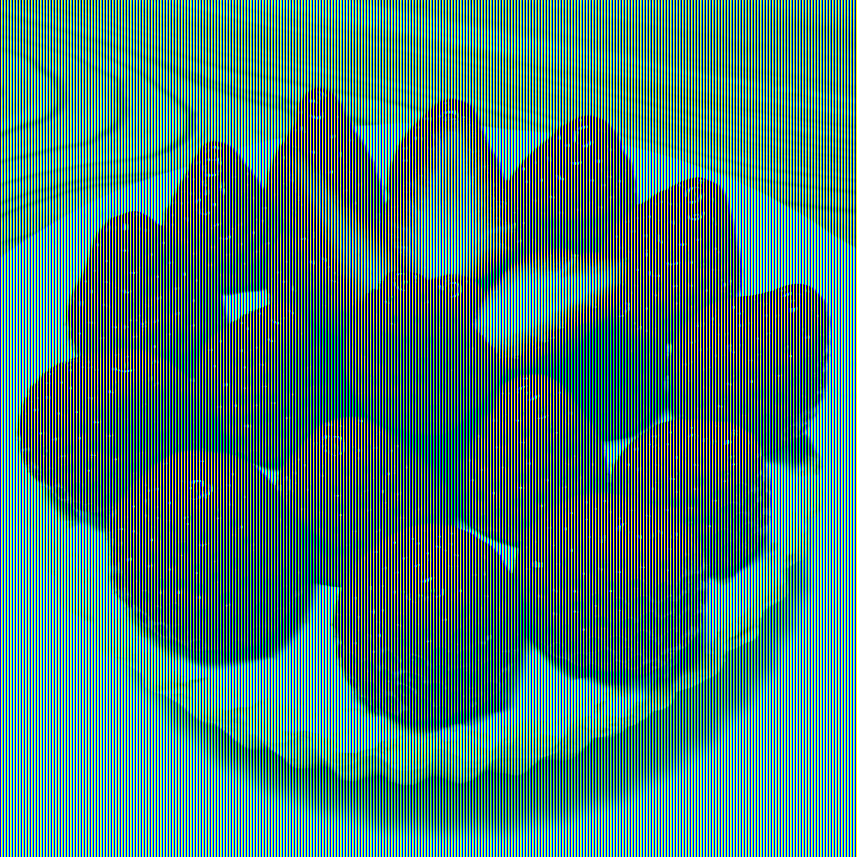
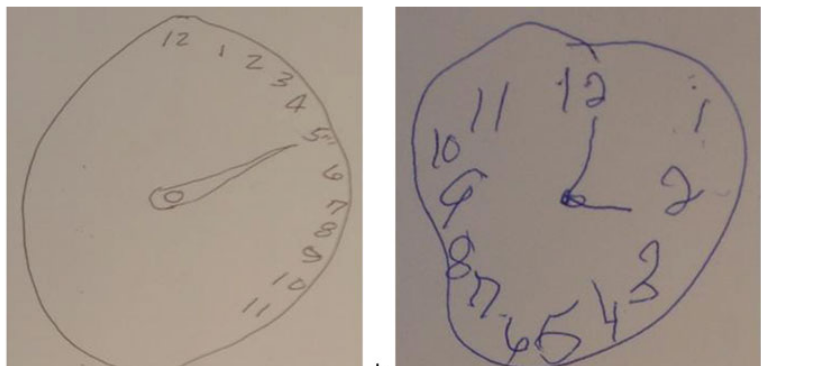
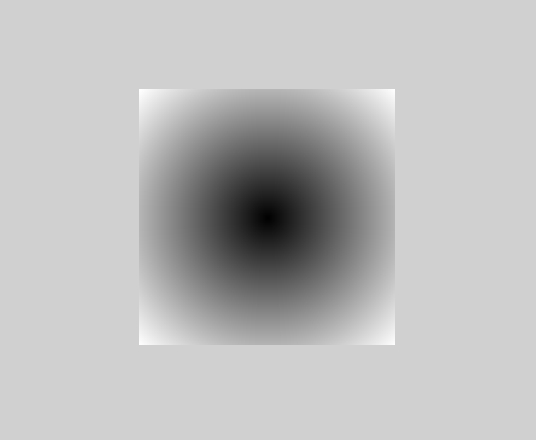
1. Faces in a crowd: the faces look the same at a glance. Finding the ones that differ takes a slow, item-by-item search.2. Grid: look at the line crossings. Many people see the grid shimmer, or faint spots where the lines meet.3. Peripheral drift: the rings seem to turn when you move your eyes, though nothing in the image moves.4. Ambiguous figure: the face is also the word “liar”. Once you see the word, it is hard to unsee.5. Munker–White effect: the two hearts are the same red. The stripes over them make one look purple and the other orange.6. Color constancy: the strawberries look red, but no pixel in the image is red. The brain fills the colour in.7. Clock-drawing test: the left clock crowds every number onto the right side, a sign of left spatial neglect (see the About essay).8. Expanding dark centre: for many viewers the dark centre seems to grow, as if moving into a hole.